
Horse Transport: Protecting Respiratory Health
A healthy arrival begins before loading and continues after the engine stops. Plan the journey and hand useful observations to the veterinarian without premature reassurance.
Read the full articleA reference for daily care, nutrition and prevention, with guidance on recognising when veterinary care is needed.
A healthy arrival begins before loading and continues after the engine stops. Plan the journey and hand useful observations to the veterinarian without premature reassurance.
Read the full article
A cough during a meal or feed at the nostrils deserves immediate attention. A practical guide to early recognition, veterinary communication and safer feeding.
Read the full articleA horse’s cough needs interpretation, and its environment needs review. Recognise signs, reduce dust and support veterinary care.
Read the full articleKeep every new horse in a separate area for 21 days. Monitor temperature, appetite, coughing, nasal discharge and diarrhoea. Use dedicated buckets and grooming equipment, handle resident horses first, and wash hands and clean or change footwear and clothing before leaving the isolation area. UC Davis recommends a 21-day quarantine for new arrivals, while AAEP guidance stresses a written isolation and outbreak-response plan. If illness appears, maintain isolation and ask your veterinarian which tests are needed and when the horse can safely leave quarantine.
Trusted references: UC Davis · AAEP
Read the full article
Gently lift each hoof and remove dirt and stones. Watch for cracks, unusual odour or sensitivity, and agree an appropriate trimming schedule with your farrier. Seek veterinary advice if sudden lameness or clear pain appears.
Read the full article
Hay or pasture forms the base of the diet. Most healthy adult horses eat about 1.5–2.5% of their body weight in forage each day. For a 500 kg horse this is roughly 7.5–12.5 kg, adjusted for forage quality and the individual horse.
Read the full article
Keep clean water available and check and clean troughs, especially in heat or during work. Water requirements rise with heat and sweating, so do not use one fixed amount for every horse.
Read the full article
Avoid abrupt changes in hay or concentrates. Monitor weight and body condition and adjust the ration for work, pregnancy and age. Horses with health problems may need a specialised diet.
Read the full article
Repeatedly looking at the flank, rolling, reduced manure and refusing feed can be signs of colic. Contact a veterinarian promptly, especially if pain is severe or recurring. Treatment depends on a clinical examination.
Read the full article
If the horse becomes lethargic, breathes heavily or moves abnormally after work in the heat, stop exercise, move it to shade, cool with water, provide ventilation and drinking water, and call a veterinarian if signs persist or are severe.
Read the full article
Plan vaccination with your veterinarian according to local disease risks and travel. Arrange appropriate parasite control and regular dental checks. Repeated indiscriminate deworming is not advised; assessment differs between horses and yards.
Read the full article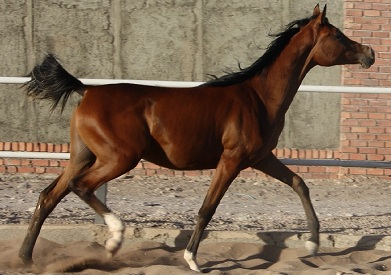 SorooshSa · CC BY-SA 3.0Training decisions
One uneven step is not a diagnosis, yet a repeated change during work deserves attention. A calm framework for observation, documentation and timely veterinary assessment.
Read the full articleNo topics match your search.
These figures are guidance for healthy adult horses and should not automatically be applied to foals or horses that are ill or underweight. A veterinarian determines diagnosis and treatment.
Do not give medicines or doses based on general website guidance. Colic, heat stress and rapid deterioration need prompt veterinary assessment.