
The thirty days before an Arabian halter show offer an opportunity to organise the details that let a horse present its conformation and movement confidently.
They do not promise to repair every weakness before a deadline. Begin with the animal in front of you: suitable health, familiar handling responses and the ability to cope with travel and waiting.
The difference between an organised campaign and an exhausting one often lies in small decisions.
Record who is responsible, why a session is scheduled and what would make you stop. That makes adjustment easier than defending a plan whose assumptions have changed. A calendar should never outrank a change in appetite, movement or response.
The general principles draw on ECAHO rules and the learning, welfare and care references listed below. The six stages and proposed decision record are an editorial planning framework. They are neither a compulsory show programme nor a treatment protocol or fitness prescription for every age, health status and climate.
A veterinarian and competent trainer adapt the plan to the individual; a qualified nutritionist reviews the ration when needed.
One behaviour does not establish a diagnosis, and a flattering photograph does not demonstrate readiness. The aim is a clear sequence of observation, action and review, including an informed decision not to compete.
At each stage, retain what already works and change something only for a defined reason.
Avoid simultaneously experimenting with feed, equipment, handler and location. A stable baseline helps the team interpret changes. That makes the month useful even when the eventual competition date or ambition needs to change.
Days 1–3: establish the starting point
Create one file containing the horse’s identity, registration documents, intended class and the person responsible for contacting the organiser. Check the current announcement for dates, venue and eligibility. An old entry card does not prove that conditions remain unchanged, and a neighbouring show may operate different exceptions or qualifications.
Keep the applicable rules, schedule and veterinary requirements together. The ECAHO framework provides the general reference; the approved show schedule supplies event details. If a circulated sheet conflicts with the organiser’s instructions, seek written clarification before booking transport. The collecting ring is a poor place to settle an unresolved eligibility question.
Describe the baseline on ordinary days: appetite, drinking, manure, activity, body condition and movement observations. This is a monitoring record, not a diagnostic checklist. Pain, lameness, coughing or an unusual change calls for veterinary advice. Do not respond by increasing work in the hope that the horse will become accustomed to it.
Take comparable side views and short movement recordings in the same setting, noting date and surface. Their purpose is to compare the horse with itself, not manufacture substitute judges’ scores. Retain the start and finish of each recording. Editing away difficult transitions conceals precisely what the preparation plan needs to understand.
Choose an observable objective such as a calmer entrance, clearer transition or more settled wait. Winning alone is not a useful training target: competition and judging also affect the result. A specific handling objective lets the team recognise improvement even when placing or the number of competitors differs between shows.
Assign health monitoring, handling and document management from the outset.
Agree who can postpone entry and how the veterinarian will be contacted. Clear responsibility prevents several people interpreting the same observation differently while each assumes somebody else will act. The arrangement should remain usable if the usual team leader is absent.
Have a competent person inspect halter fit, lead condition, handler footwear, working space and exits. Do not introduce unfamiliar equipment under audience pressure. If a basic response requires professional help, record that need. Escalating the equipment and moving on does not demonstrate that the underlying problem has been resolved.
Finish with a provisional readiness decision rather than a promise to compete.
Distinguish existing skills, learning needs and matters requiring examination before progression. Thirty days are an organisational window, not a guarantee. A health problem or unsafe loading response may justify another date even when every other arrangement appears complete.
Days 4–10: movement that remains comfortable
Start from work the horse already knows, with its trainer and veterinary input where needed.
Another animal’s programme is not automatically suitable because age or class is similar. Record what happened during the session and afterwards. Describing the response matters more than ticking a box confirming that the planned exercise was completed.
Separate fitness needs from learning a cue.
More trotting does not answer a horse’s confusion about stopping, and practising a pose does not replace assessment of a movement concern. Define the problem accurately so that a session does not acquire competing purposes whose effects become impossible to interpret later.
Use a safe space and suitable footing, checking conditions and equipment before starting.
Note the surface and relevant conditions in the record: a slippery day and a stable one are not equivalent comparisons. A movement change should prompt appropriate assessment, rather than an automatic explanation that the horse lacks enthusiasm for showing.
Include transitions in observation: starting to walk, moving into trot and returning quietly. The most animated burst is not proof of programme success. A repeatable response is more useful to the trainer than a dramatic clip, especially when the latter is followed by difficulty stopping or resuming ordinary handling after filming.
Hold a short weekly review: what improved, which variable changed and was there an unintended cost?
These are management questions, not a medical test. Deteriorating routine or a new resistance should not be labelled stubbornness. Describe the circumstances and seek appropriate help before deciding the next step or increasing demands.
Do not treat missed days as a debt to be repaid with extra work.
After disruption or a health concern, reconsider the objective and date instead of compressing later stages. A less ambitious outing or postponement can preserve useful progress. Planning should adapt to the horse rather than defend the original calendar.
Describe progression in plain language: familiar work remains available without a new concern requiring a stop, and the handler knows how to return to basic responses.
A universal number of minutes or laps is not a readiness standard. Similar workloads can conceal very different responses in individual horses and conditions.
Preserve appropriate daily movement and rest within the horse’s usual management and professional guidance.
The month is not confined to filmed presentation sessions; the remainder of the day also matters. A routine record helps identify whether new sessions add a useful skill or displace time previously meeting essential everyday needs.
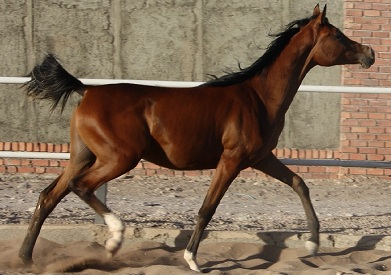
Days 11–20: teach presentation through clear cues
ISES provides learning principles concerned with safety, clear responses and gradual progression, rather than a special method for winning halter shows. Use that foundation to identify one skill requiring improvement. Agree what an appropriate response looks like before asking the horse to repeat it, so the team applies a consistent standard.
In the training record, separate cue from outcome: what did the handler ask, how did the horse respond and when did the request end?
This gives a professional useful information without attributing motives. Replace “always refuses” with a description of context and response before radically changing the handling approach.
Begin in familiar surroundings and introduce a defined change once the response is established, perhaps a different location or another person nearby.
Changing one variable helps interpretation; it does not require exposure to every possible showground noise. If the situation becomes difficult, return to an achievable step and consult the trainer.
Include a walking entrance in practical preparation.
ECAHO’s published notice on the amendment to article twenty-two specifies entry at walk from 1 January 2026 across its show categories. Check the presentation scheme and event schedule with the organiser rather than relying on a diagram passed around on a phone.
The handler also needs preparation: position, safe spacing and receiving ring instructions.
The horse should not carry the cost of the team’s confusion. Rehearse the sequence without the animal first, then use a familiar session to check communication rather than extending it into a performance for colleagues or spectators.
Do not turn standing into an endurance test.
Agree what the handler wants to see briefly, how the request ends and how ordinary handling resumes. If maintaining a position requires continuous pressure or discomfort appears, discuss the reason with a qualified professional rather than trying another photograph to hide the difficulty.
Give the reserve handler a short description of familiar cues, established skills and safe boundaries.
Avoid random changes of personnel and do not assume every change of hands is neutral. A handover note should explain what the substitute can do and what should await professional help or a more suitable occasion.
Compare complete recordings from the beginning and end of this stage, acknowledging contextual differences.
Is the request clearer, does the handler intervene less and does routine remain settled afterwards? This is a proposed management review, not a validated stress measurement, health clearance or guarantee of performance before judges.
Throughout the month: care before appearance
Treat feeding as a stable part of the entire month rather than a cosmetic project launched near show day.
University of Minnesota guidance stresses clean water, weight and body-condition monitoring, gradual feed changes and individual needs. These principles do not justify a universal ration for youngstock, lactating mares and horses with metabolic concerns.
Record what the horse actually consumes and leaves, and who reports a change.
An amount offered is not the same as an observed intake. Before discussing a proposed alteration with a professional, assemble its purpose and the existing ration. One complete record is clearer than several uncoordinated product decisions made by different people.
Keep condition assessment separate from publicity photographs.
Use the team’s established approach under comparable conditions and note who assessed the horse. Seek professional review when observations conflict with the trend in weight or appetite. Loss of condition or refusal of feed should never be accepted as a tool for creating a particular ring appearance.
Assign responsibility for checking water access and container cleanliness at home and during travel.
Never restrict drinking to alter appearance or simplify filming. A change in drinking behaviour deserves context and appropriate advice. The presence of water nearby, or another horse’s consumption, does not establish that this individual’s needs are being met.
Use grooming as an opportunity to notice change rather than conceal it.
Keep a record of products and dates, avoiding a cluster of last-minute experiments. Wounds, itching, lesions or pain require appropriate assessment. Cosmetic preparation cannot diagnose a problem or justify covering a sign relevant to welfare or eligibility.
Coordinate hoof care with the farrier familiar with the horse, placing appointments before the final rush.
Record the reason for a change and what should be monitored. Pursuing a more spectacular movement photograph is not a reason for improvised late alterations. New lameness requires veterinary attention, not merely a before-and-after photo comparison.
Keep a separate medication, supplement and treatment record for the veterinarian to review against event requirements.
Medication-control rules do not justify independently stopping prescribed care, and “natural” does not establish compliance. The decision combines clinical need, applicable rules and whether competing remains appropriate in the circumstances. No withdrawal period should be guessed.
End the care review by asking whether a substitute could follow the written routine without inventing missing details.
Clear feed, container and product identification reduces improvised decisions during travel. The record has a practical purpose: preserving the stability built over the month when location changes or an ordinary arrangement unexpectedly fails.

Days 21–27: a useful rehearsal and travel plan
Write the day as a sequence: preparation, transport, arrival, waiting, presentation, departure and aftercare.
Decide which elements need practical rehearsal and which can be checked on paper. A rehearsal identifies logistical friction; it is not another competition. A document or handover problem may be solvable without transporting the horse at all.
Where loading or travel skills need attention, work with a competent person in safe conditions rather than staging a single pre-departure test.
Record what was achieved and what assistance remains necessary. Entering a vehicle once is not proof of readiness for a long journey; horse, vehicle, route, weather and local requirements all matter.
AAEP guidance frames biosecurity as prevention plus a response plan suited to the premises, with veterinary involvement.
Develop written travel and show arrangements with your professional adviser. Identify the horse’s own equipment and containers, cleaning responsibilities and handover. Decide how illness will be reported before facing the problem among temporary stables and unfamiliar horses.
Confirm identification, vaccination, testing and entry deadlines with the organiser.
Requirements from another jurisdiction are not universal rules. Where instructions are unclear, retain the question, written answer and confirmation date. An early booking change may be less disruptive than arriving with a horse that cannot meet the venue’s admission requirements.
Plan the waiting area, monitoring responsibility and emergency contacts, not merely the route into the ring.
Record how help will be obtained if the horse’s condition changes or transport fails. Agree who can withdraw the entry, so time invested and fees paid do not become arguments for continuing despite a reason to stop.
Allow for congestion in the timetable.
Arrival should leave room for required procedures without rushing, with documents and contacts accessible to the responsible person. A longer wait does not automatically justify another obedience session. Changing team organisation or waiting position may address the problem more effectively than demanding extra work from the horse.
After rehearsal, choose a change that can be evaluated rather than repeating the whole programme.
Fix a handover delay through clearer responsibility, an unsuitable space through a better arrangement, and a health concern through veterinary advice. Separating these routes prevents the horse carrying the cost of a problem unrelated to its learning or fitness.
Keep a concise copy with the horse and another with an accessible contact.
State where documents and familiar feed are held, veterinary contacts and each person’s authority. Avoid filling the sheet with uncertain weather or class-time assumptions. Include how current announcements will be checked so a replacement can respond when information changes.
Days 28–30 and beyond: decide, present and review
Reopen the starting file before the final days and compare the original objectives with what is genuinely available.
Complete documents do not cancel an unsafe basic skill. The decision concerns the whole situation, not an accumulation of administrative successes used to outweigh a fundamental reason to postpone or seek professional assessment before departure.
Preserve the routine that works, with the trainer adapting workload to the individual.
The final days are not an opportunity to force achievements missing from the previous month. Check equipment, documents and responsibilities early so organisational confusion does not spill into a prolonged session or repeated demands on a previously settled horse.
On arrival, follow the care and monitoring plan before prioritising photographs.
Report a change in the horse or venue requirements and obtain help where needed. The aim is not to label every difference a problem, but to prevent an important observation disappearing while everybody concentrates on class time, clothing or sharing the entrance online.
In the ring, follow officials’ instructions and the applicable presentation sequence, keeping familiar basic responses available to the handler.
Audience reaction is not a reason for an improvised change of approach. The horse does not understand promotional ambitions or prize value; safety and care remain the team’s responsibility as competitive expectations rise.
After leaving the ring, return to the care plan before discussing scores.
Record drinking, appetite, movement and behaviour, seeking veterinary assessment when a change warrants it. Placing is not a health certificate. A lower finish does not establish that the horse needs punitive training or immediate repetition to correct what happened.
During the later review, compare three distinct records: official scores, complete available video and the care-and-travel file.
Ask each a suitable question. Results describe placing under event conditions, footage shows the recorded presentation and the file supplies context. Do not require any one of them to prove something it cannot measure or document.
Choose one priority for the next cycle, with a reason, responsible person and review date.
It might concern documents, transport or communication, or require assessment before more work. Not every observation needs an immediate project. Prioritisation prevents the programme expanding after every show without enough time to understand the horse’s response.
Keep the return-to-competition decision in the same file rather than collective memory.
Note what remained stable, what changed and what requires professional or organiser confirmation. The month then becomes accumulated knowledge about this horse, allowing later campaigns to adapt instead of copying a schedule because it once produced a flattering photograph or medal.
Aletaq Golden AdviceMake entry conditional on three written checks: suitable health, calmly available handling skills and documents satisfying the show schedule. If one is missing, change the date rather than increasing pressure.
Closing perspective
A successful thirty-day plan produces a clear decision.
Did the team understand the starting point, teach the required responses appropriately and keep care and travel open to review? The outcome may be a well-organised appearance or a postponement that preserves progress. Either can be professional when grounded in the horse’s condition rather than sunk fees or audience expectations.
Do not let a single show close the file.
Retain observations useful to the veterinarian, trainer and handler, separating what was seen from what was inferred.
The next month neither starts from nothing nor assumes previous success survives every change. A useful record supports better questions before more work, another journey or a different competitive target.
Which piece of information does your team need today: the horse’s condition, the availability of a skill or the day’s arrangements?
Begin with that specific gap rather than more equipment, and discuss the plan with professionals who know the horse. Subscribe to Aletaq’s newsletter for practical guides connecting presentation quality with responsible care and decisions.
Subscribe to Aletaq’s newsletter for new reference guides.Sources and references
- ECAHO · Arabian show rule framework
- ECAHO · Rules and addenda documents
- ECAHO · Show rule announcements
- ECAHO · Judges’ education and assessment
- WAHO · Arabian registration organisation reference
- ECAHO · Entering the arena in walk notice
- ISES · Ten first principles of horse training
- University of Minnesota · Feeding the mature horse
- AAEP · General biosecurity guidelines